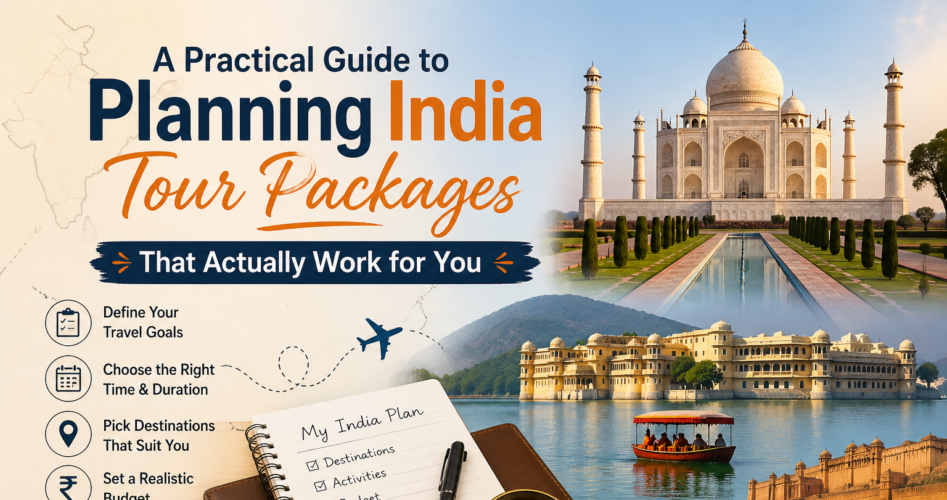
Planning a first trip to India is always exciting; one might get lost in choosing the right route to cover the highlights, though. If you’re dreaming of experiencing the major iconic landmarks of the country at very reasonable prices, you should consider joining a Budget Golden Triangle tour in India, which would not put a huge dent in your finances and would at the same time offer you the best highlights.
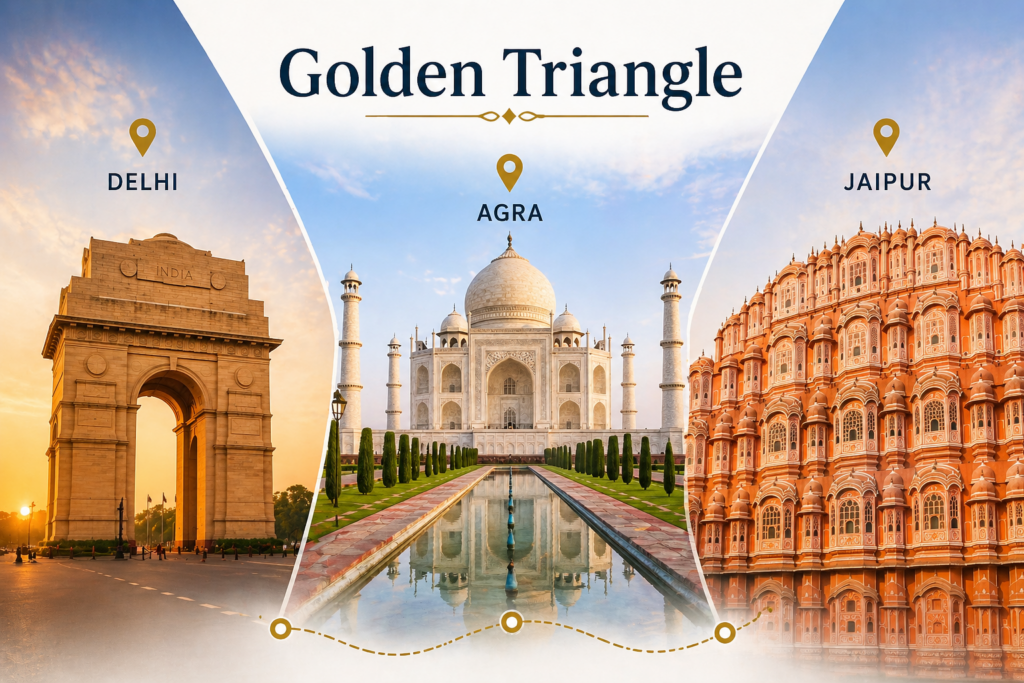
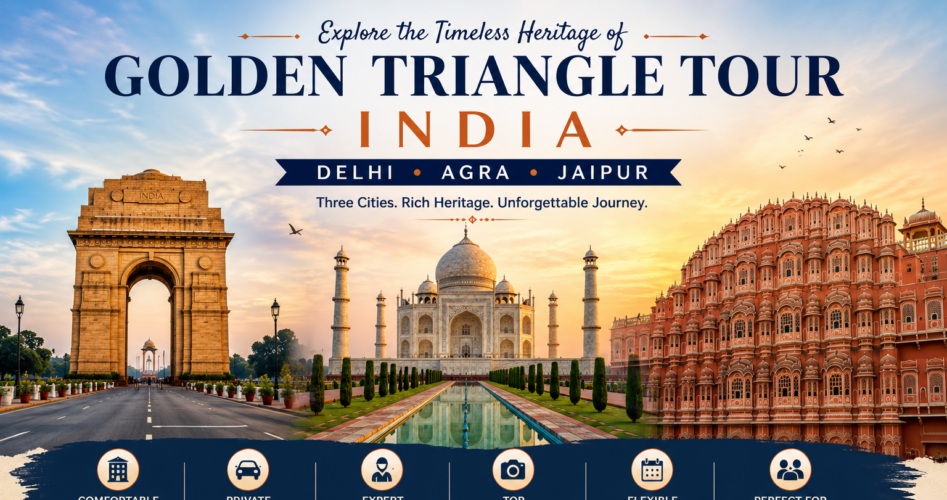
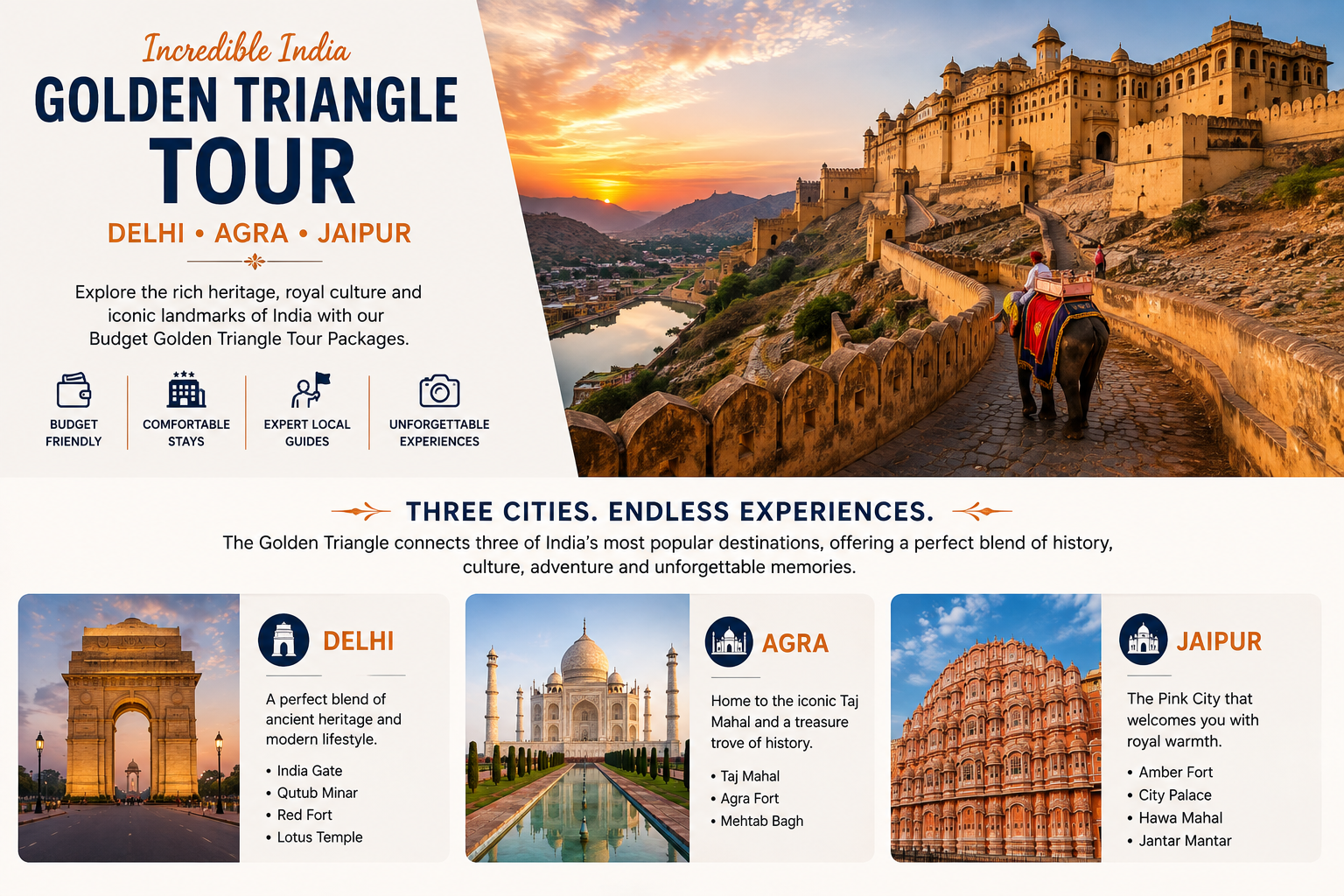
Delhi, Agra, and Jaipur: The tour is a journey into the historical and cultural side of the country that also showcases the local life and gives you unforgettable experiences.
We at India Tours put a lot of thought into every time we come up with a new tour or travel package so that our customers enjoy an easy, comfortable, and satisfying holiday without any sort of inconvenience.
Why Is the Budget Golden Triangle Tour India the Best Choice?
Those first-time visitors coming to India will have no better guidebook than taking this tour route. The popular Golden Triangle of India tour packages include three cities, each of which is quite distinct and has its unique character and beauty.
New Delhi presents an ancient civilization with a mix of the new world to comprise modern life coupled with historical grandeur to form New Delhi of great distinction.
In Agra, it’s not just the Taj Mahal, the globally recognized beauty, but also the amazing Agra Fort that you will be compelled to observe.
For Rajasthan, it has to have color; the royal dwellings with magnificent forts and beautiful city markets make it come together as Jaipur.
By taking this classic golden triangle tour, Delhi, Agra, Jaipur, one can witness the heritage of India without going on a long-week tour.
Which Tour Duration Should You Choose?
The answer depends on individual circumstances. The availability of time and desired type of holiday will affect your overall holiday plan.
3 Days Golden Triangle Tour Packages
The 3-Day Golden Triangle Tour Package is for those who wish to see major attractions of India over a short period. Though the schedule is tight, all major places of this well-known circuit will ensure a memorable experience.
5-Day Golden Triangle Tour India
Rushing around town isn’t your style, and maybe those five days were going to stretch across more; why not try this 5-Day Golden Triangle Tour India instead! Spend some extra time at a slow pace to see sights, shop a bit, snack, and taste. Instead of checking off your list, soak it all in.
Is the India Golden Triangle Tour Really Worth It?
Definitely.
The India Golden Triangle Tour is not just popular due to the famous monuments included. Rather, it gets special mainly because of the different things that you will get to do in your entire trip. You will perhaps wake up at the same fort for breakfast the next morning after spending the day sightseeing there.
In the afternoon, you may be indulging in some of the famous local street food, and by nightfall you can even be out enjoying the bustling markets and cultural shows that are characteristic of each city. There are so many changes that every trip is fresh, and no place you visited feels familiar anymore.
Can Families and Groups Enjoy This Tour?
Sure. And, if you like, it might be one of your best choices for holidays with others.
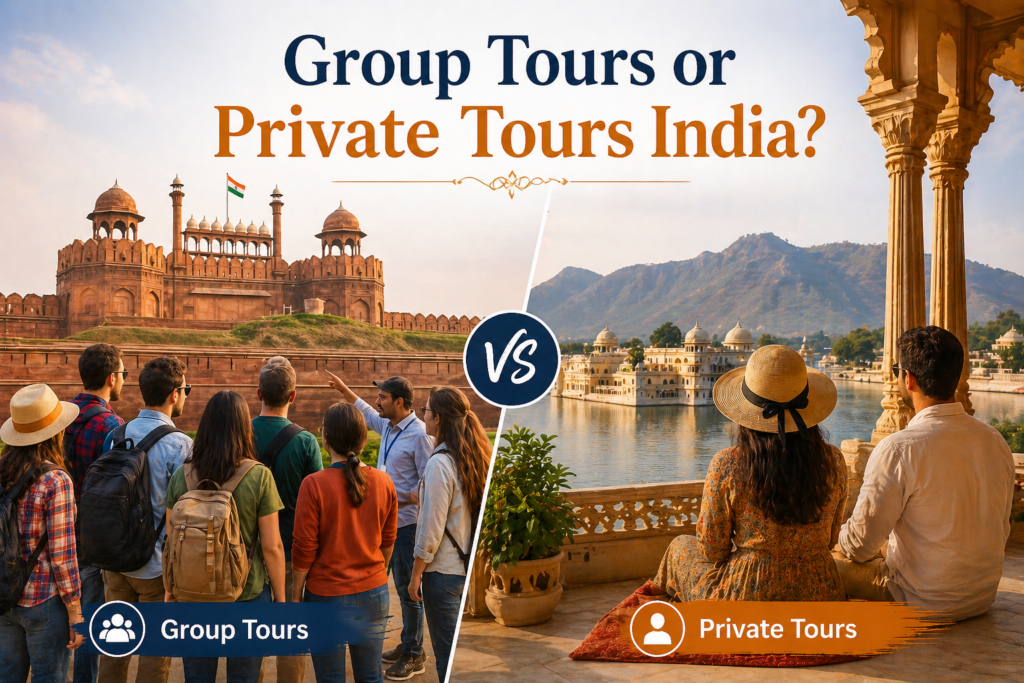
Sitting in your lounge room planning a Group Golden Triangle Tour India holiday, mates, it’s a very feasible option, especially considering most of the activities will be already prearranged and taken care of from your end at least before you get on the plane.
Group tours generally include the following:
- Comfortable hotel stays
- Air-conditioned transportation
- Guided sightseeing
- Flexible travel schedules
- Easy transfers between cities
That means less time planning and more time enjoying the experience together.
Can You Visit the Taj Mahal in Just One Day?
Yes, and a lot of travel enthusiasts take this route too.
If you are in Delhi, making a same-day trip to Agra is a convenient option as it allows you to visit one of the most spectacular structures without prolonging your trip to India. In the most common routes one may take in a day, you can see the Taj Mahal, Agra Fort, and besides, there will be some time left which you can explore the sights of this nice city and go back to Delhi afterward.
Many visitors also choose a Delhi Taj Mahal tour package because everything is arranged in advance. If convenience matters, a Delhi-Agra package tour, same day, saves both time and effort.
How Do You Choose the Best Golden Triangle Tour Packages?
Price is the main thing, but there are other factors as well to look out for before making any decision. So the Golden Triangle tour packages combine all the necessary factors like comfort, sightseeing, and of course flexibility for a better experience.
Before you finalize your booking, make sure your package includes:
- Hotels included in the package.
- Quality of transportation.
- Experience of the tour guides.
- Sightseeing covered.
- Whether the itinerary can be customized.
A good tour should fit your travel plans, not the other way around.
Why Travel with India Tours?
A memorable vacation is not made only from hotels. It is made of good planning, knowledge of local attractions, and reliable help all the way.
We focus on this, actually. It does not matter if your plan is visiting Indian cities as part of Golden Triangle India Tour Packages, it’s for the family, or you are simply planning your first visit to India; the team at India Tours will help you create a unique schedule according to your free time, passions, and means, rather than providing you with the same kind of tour package for everyone.
Ready to Discover India’s Golden Triangle?
The Golden Triangle tour is to create experiences that last longer than any photo frame. Start by exploring the vibrant markets of Delhi, and head towards the timeless charm of the Taj Mahal before the concluding grandeur of royal Jaipur, where you will unfold yourself. Are you organizing a trip itinerary that perfectly suits your budget and preferences? Get in touch with India Tours. As a matter of fact, the whole point of your journey will be to experience the Indian subcontinent, and India Tours would be more than willing to plan out for you an adventure that will never leave you with your eyes wide open at the magnificence.